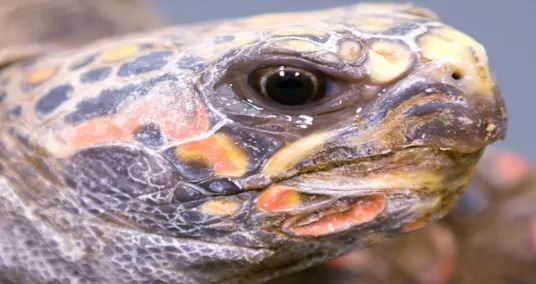
The radiated tortoise is one of the most striking reptiles on Earth, yet it is now facing a serious threat to its survival. Found only in the dry southern forests of Madagascar, this species has experienced a dramatic population decline over the past decade. Experts estimate that its numbers have dropped by nearly half, raising urgent concerns among conservationists. Known for its beautiful shell with bright yellow star patterns, the radiated tortoise is both visually unique and biologically remarkable. Its domed shell is not just protective but also sensitive, containing nerves and blood vessels that allow it to feel touch. These tortoises are also known for their exceptional longevity, with some individuals living well beyond a century. One recorded tortoise even reached an estimated age of 188 years, highlighting the species' long life cycle and slow reproduction rate. However, these same traits also make recovery from population loss extremely difficult, increasing the risk of extinction if current trends continue.
The primary drivers behind the decline of the radiated tortoise are human activities, particularly hunting and illegal trade. In parts of Madagascar, the tortoise is hunted for its meat, which is considered a delicacy despite legal protections. At the same time, its beautifully patterned shell has made it highly desirable in the illegal pet market. Conservation groups estimate that hundreds of thousands of these tortoises are removed from the wild each year, a rate that the population cannot sustain. The combination of poaching and trafficking has devastated natural populations and disrupted ecosystems where the species plays an important role. Without immediate intervention, experts warn that the radiated tortoise could face extinction within the next two decades. Conservation efforts are underway, focusing on habitat protection, stricter law enforcement, and raising awareness about the consequences of wildlife exploitation. The story of the radiated tortoise serves as a powerful reminder of how quickly human actions can threaten even the most resilient species. Protecting it will require global attention and long term commitment.
LATEST POSTS
- 1
 Make Your Fantasy Closet: 10 Immortal Design Fundamentals
 - 2The most effective method to Succeed in Your Web based Advertising Degree: Procedures for Progress
- 3UN estimates over 2,000 Sudanese pregnant women have fled el-Fasher to escape conflict
- 4Mother and Stepson Rescued After Being Swept Over 6 Miles in Paddleboarding Mishap
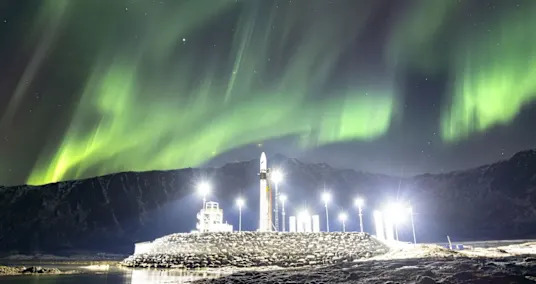
- 5Rocket shines under the northern lights | Space photo of the day for March 25, 2026


- Reviving Your Home with Nutritious Indoor Plants
- Survey: Canteen Cups With Great Warm Protection Impact
- Liste des pr\u00eats qui ne n\u00e9cessitent pas de remboursement
- Agios Pharma shares jump as US FDA expands approval for its blood disorder drug
- 'Crammed into a cell with vermin at New Year'
- 'Always put others first': IDF reservist who died while on leave saves four with organ transplants
- From Squid Game to Your Party! Six Entertaining Test Games That Will Have You in Join
- Astronomer captures 2 meteors slamming into the moon (video)
- I’m a neuroscientist who taught rats to drive − their joy suggests how anticipating fun can enrich human life